
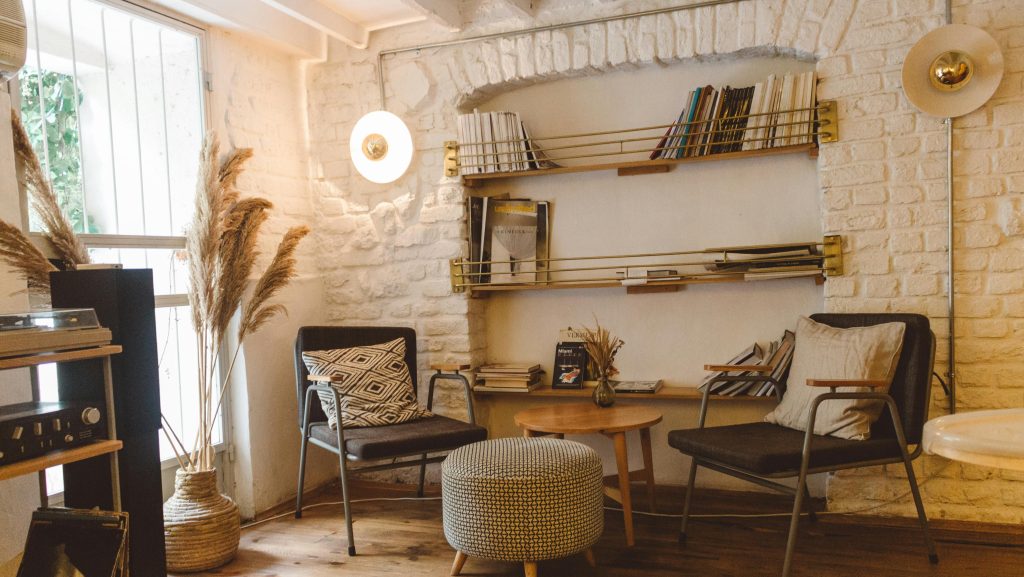
Home design trends evolve rapidly, and what was once considered a must-have feature can quickly become outdated. As technology advances and lifestyles shift, homeowners are prioritizing functionality, sustainability, and modern aesthetics over traditional design elements. From open floor plans to jetted tubs, several once-popular features are being phased out in favor of smarter, more practical alternatives. Here are 10 home features that are likely to disappear within the next 5 years.
1. Open Floor Plans
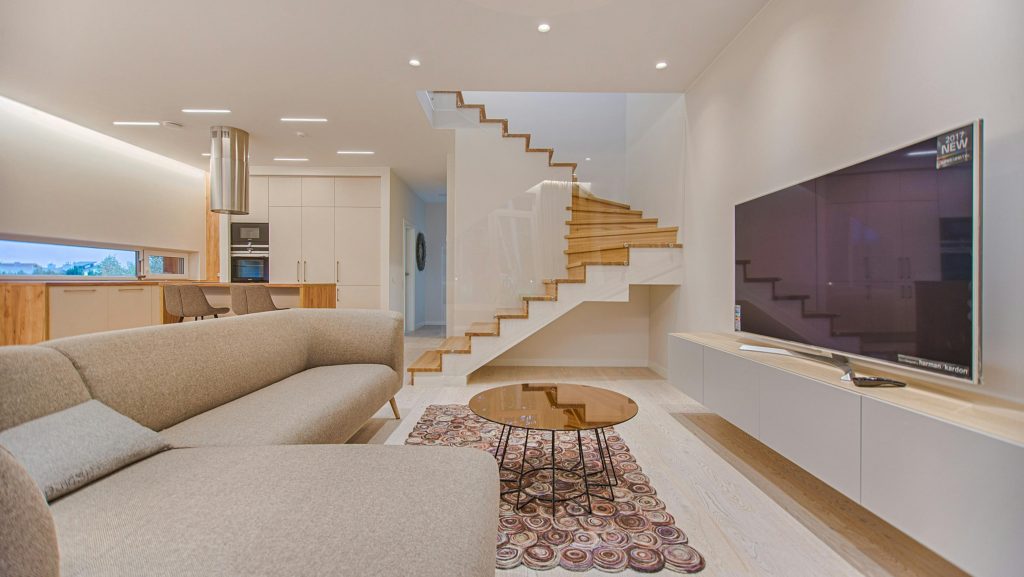
Once a hallmark of modern living, open floor plans are gradually falling out of favor due to noise control and privacy concerns. With remote work, homeschooling, and multitasking households becoming the norm, the need for designated spaces has never been greater. Instead of completely open layouts, future designs will lean toward semi-open concepts that balance connectivity and separation. Think glass partitions, sliding doors, or strategically placed shelving solutions that maintain an airy feel while enhancing functionality. This shift allows for quieter work zones, cozier living areas, and a home that adapts to changing needs.
2. Granite Countertops
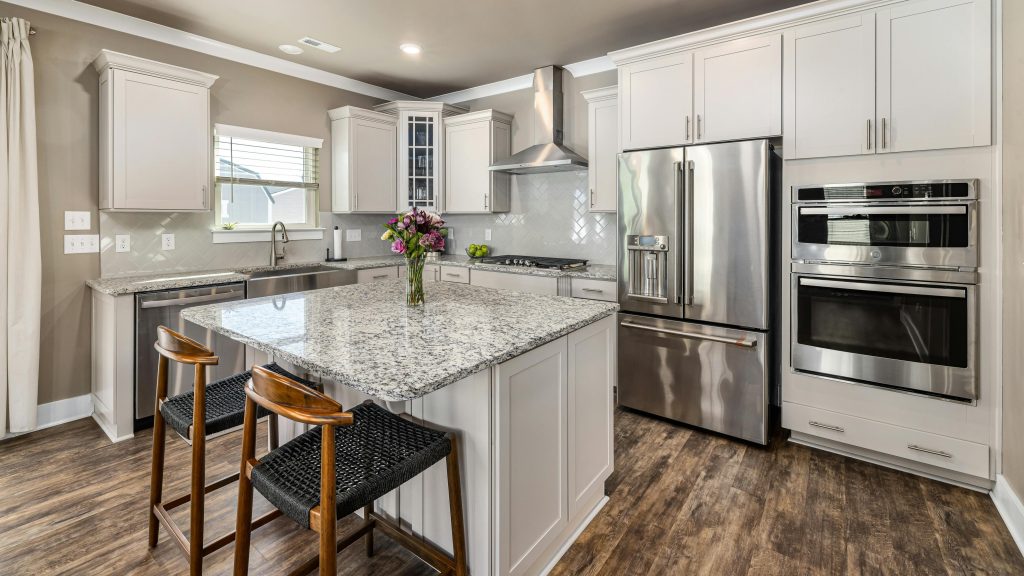
Granite countertops were once the go-to choice for upscale kitchens, but their high maintenance and environmental impact have homeowners looking for smarter alternatives. Engineered quartz offers the same luxurious look with added durability and stain resistance, while porcelain slabs provide a sleek, modern aesthetic without the need for sealing. Recycled materials, like glass and composite surfaces, are also gaining traction as sustainability becomes a priority. With these stylish, low-maintenance, and eco-friendly options on the rise, granite’s long standing reign in kitchens and bathrooms may soon fade.
3. Formal Dining Rooms
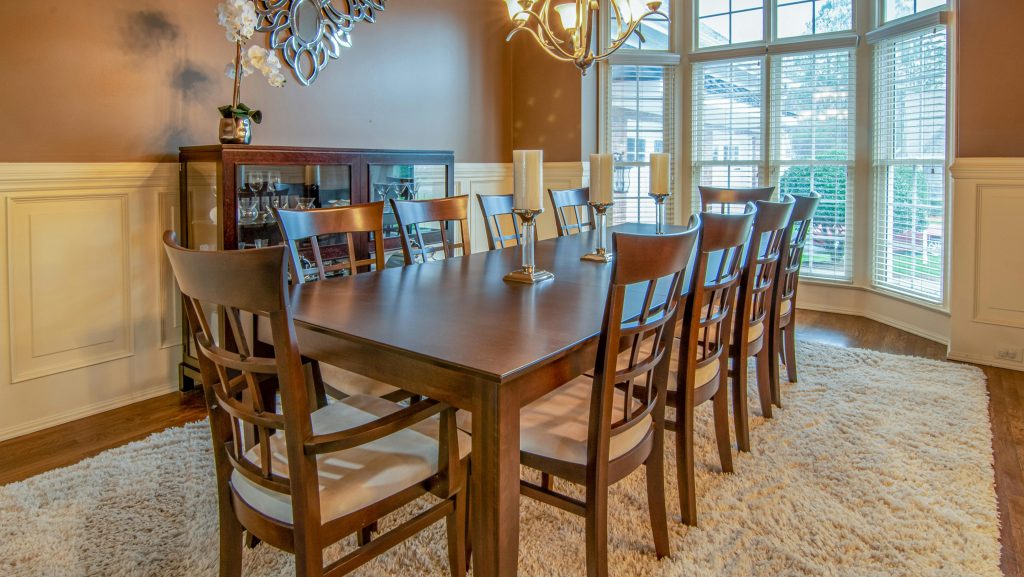
Traditional dining rooms are slowly fading as modern families embrace more flexible, multifunctional spaces. Instead of reserving a formal room for occasional meals, homeowners are opting for inviting eat-in kitchens, cozy breakfast nooks, and open-concept layouts that blend dining and living areas seamlessly. This shift reflects a preference for spaces that adapt to everyday life whether it’s a quick weekday breakfast, a casual dinner with friends, or a cozy work-from-home setup at the dining table. Today’s homes prioritize comfort, connection, and practicality over rigid formality.
4. Carpeting
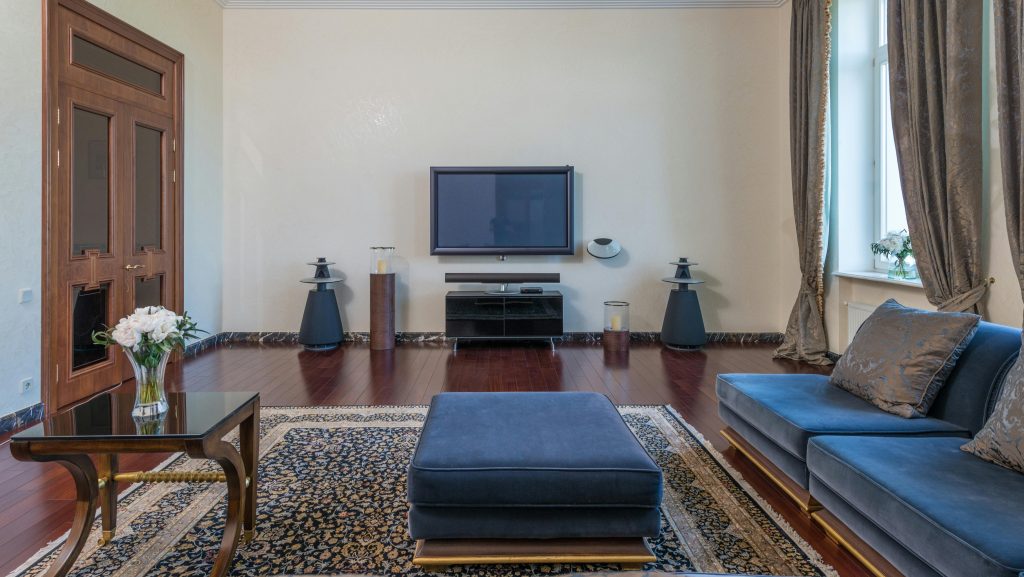
Wall-to-wall carpeting is becoming less desirable due to its maintenance challenges, susceptibility to stains, and shorter lifespan. More homeowners are opting for hard-surface flooring like hardwood, luxury vinyl, and polished concrete, which provide durability, easy cleaning, and better allergen control. These options also offer a sleek, modern look that fits well with contemporary and minimalist interiors. To add warmth without the hassle of full carpeting, area rugs are becoming a popular choice, allowing for softness underfoot while maintaining flexibility in design.
5. Jetted Bathtubs
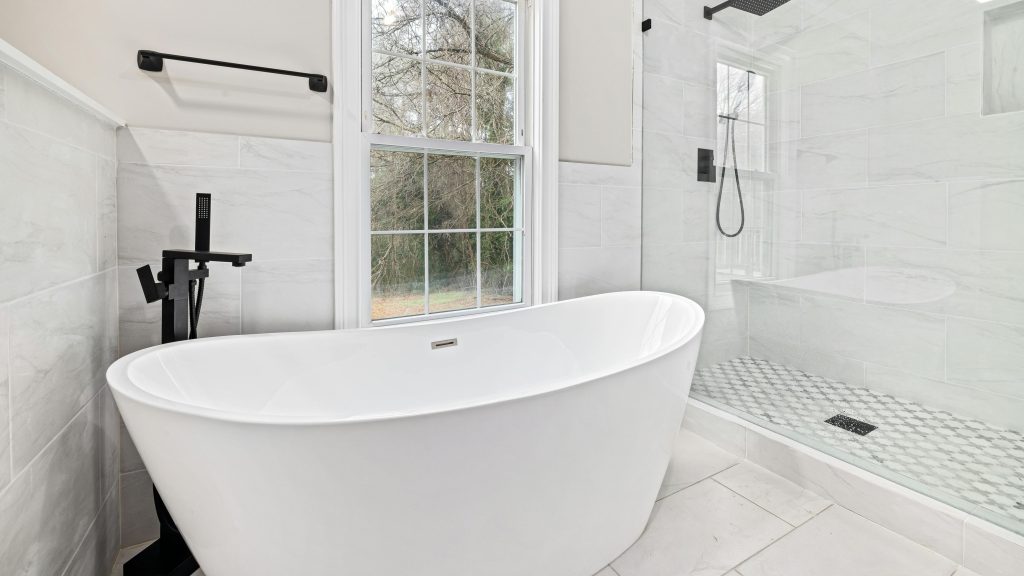
Jetted bathtubs, once a staple of high-end bathrooms, are becoming less popular as homeowners prioritize practicality over high maintenance features. While they offer a soothing soak, their high water usage, frequent cleaning requirements, and potential for bacteria buildup make them less appealing. Instead, modern bathrooms are embracing sleek walk-in showers with multiple spray settings, oversized rain showerheads, and deep freestanding tubs that provide relaxation without the upkeep. The shift is all about creating a spa-like retreat that’s both stylish and effortless to maintain.
6. Heavy Window Treatments
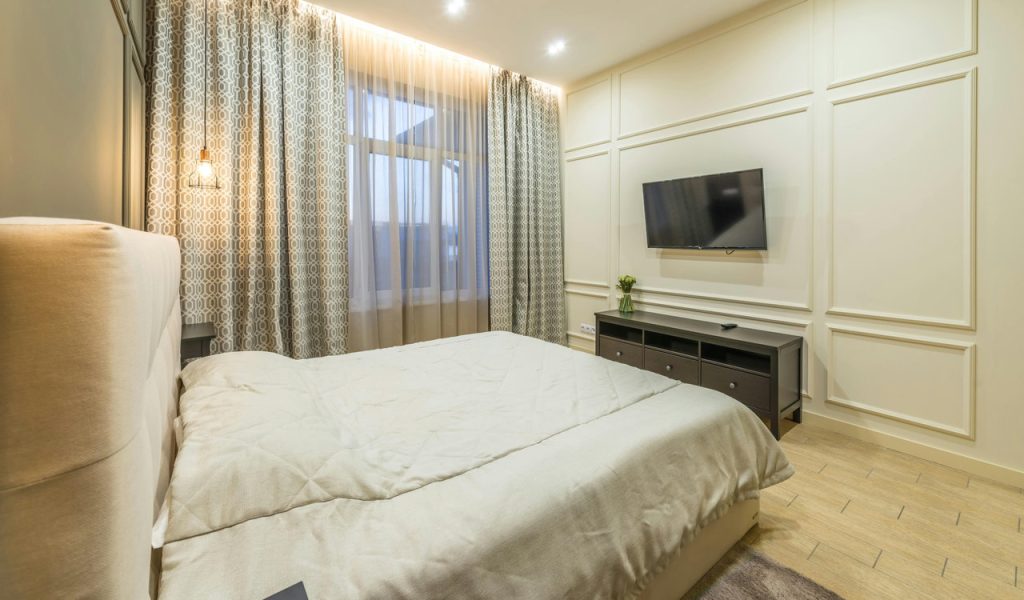
Bulky drapes and elaborate window coverings are fading as homeowners embrace natural light and a more minimalist aesthetic. Instead of heavy, dust-collecting curtains, modern spaces now favor sheer panels, motorized shades, or even energy efficient smart glass. These sleek alternatives brighten up interiors, create an airy atmosphere, and offer both style and function. Sheer curtains soften sunlight without blocking it entirely, while smart glass lets you control privacy at the touch of a button.
7. Traditional Fireplaces
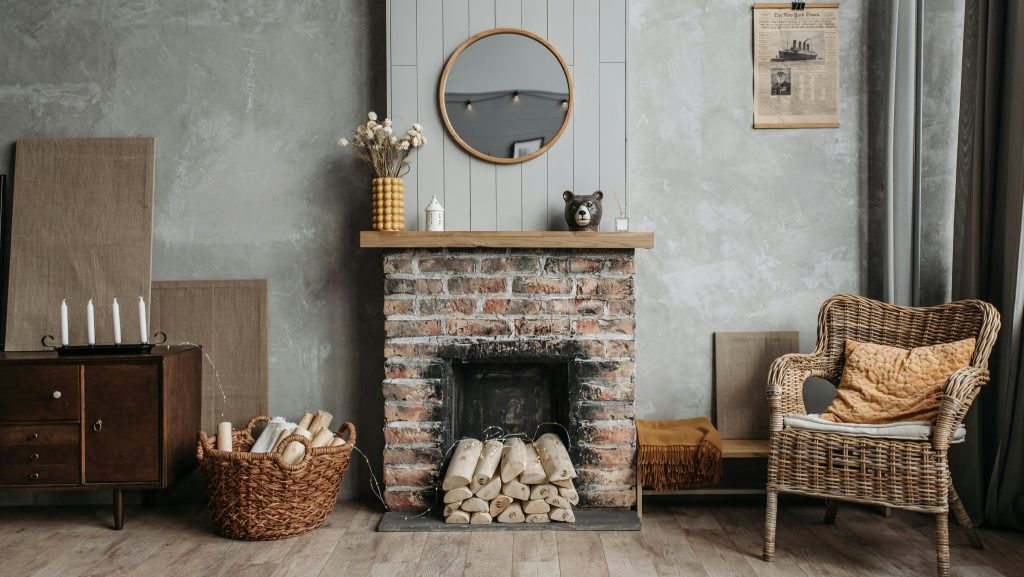
Wood-burning fireplaces, while undeniably cozy, are becoming less common due to stricter environmental regulations and the hassle of upkeep. Many homeowners are now choosing electric, gas, or ethanol fireplaces that offer the same inviting glow without the mess of ash and soot. These modern alternatives are not only more energy-efficient but also easier to install and maintain. With the rise of sustainable home design and cleaner heating options, traditional fireplaces may soon be more of a nostalgic feature rather than a household staple.
8. Subway Tile Backsplashes
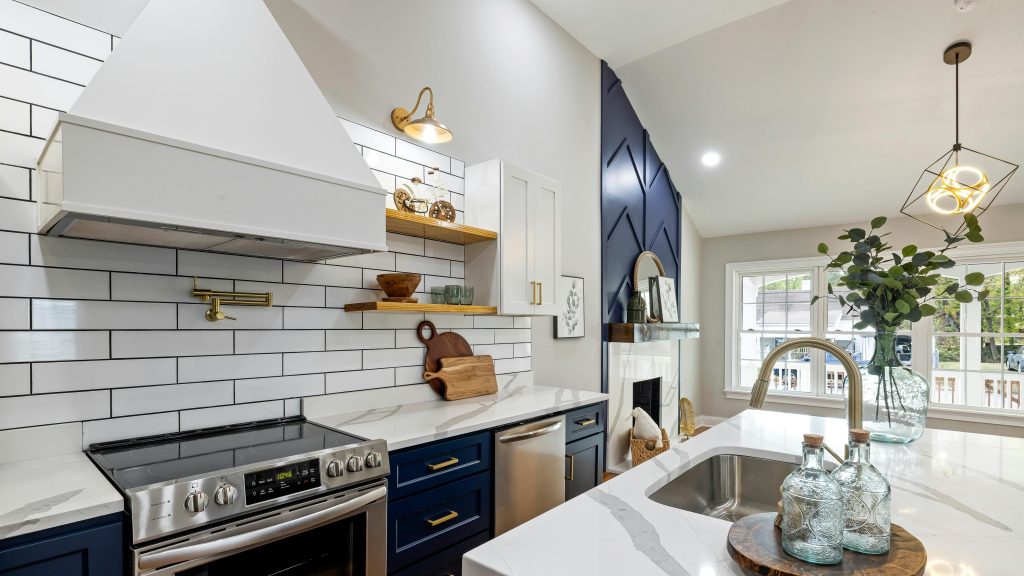
Subway tiles have long been a go-to choice for kitchen and bathroom backsplashes, but their overuse is making them feel a bit predictable. Homeowners are now gravitating toward more eye catching alternatives that bring depth and personality to their spaces. Textured stone adds a natural, organic feel, terrazzo offers a playful mix of colors and textures, and geometric tiles create striking visual interest. Even handcrafted zellige tiles, with their imperfect edges and rich glazes, are gaining popularity for a more artisanal look. These add warmth, and a touch of individuality to any kitchen or bathroom.
9. Dedicated Home Theaters
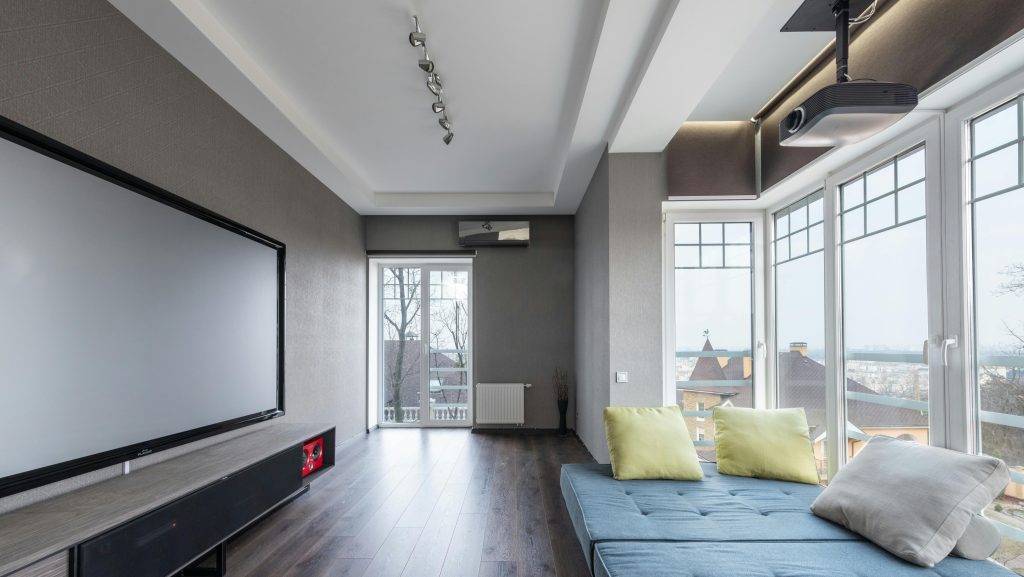
With advancements in technology, the need for a separate home theater room is diminishing. Large smart TVs, high-quality sound systems, and ultra-short throw projectors seamlessly integrate into multipurpose spaces, bringing the cinematic experience into everyday living areas. Instead of dedicating an entire room to a theater, families now prefer cozy lounges that double as entertainment hubs, blending comfort with functionality. Plush seating, layered lighting, and hidden speakers create an immersive experience without sacrificing space, making traditional home theaters feel less practical for modern living.
10. Overly Trendy Smart Home Gadgets
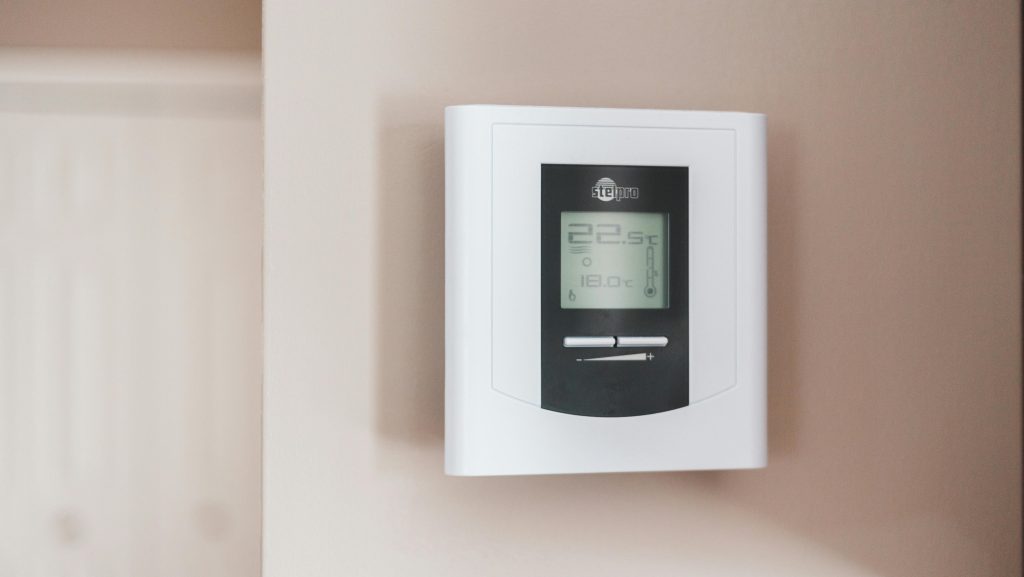
While smart technology is here to stay, single-purpose gadgets are quickly becoming a thing of the past. Instead of filling homes with separate smart light switches, thermostats, and security devices, homeowners are opting for AI-driven systems that do it all. These integrated solutions allow you to control lighting, temperature, security, and even entertainment from a single app or voice command, making life more convenient. The future of smart homes isn’t just about innovation, it’s about creating a seamless, intuitive, and clutter-free living experience.
This article was created with the assistance of AI but thoroughly edited by a human being.